Tire Ballast
•
4
min read
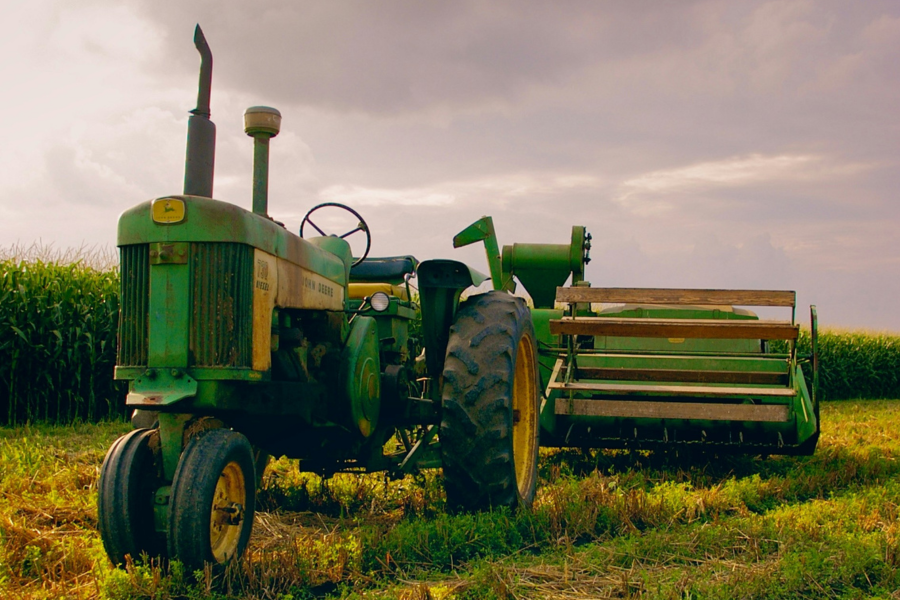
Chlorides are salts. Calcium chloride, sodium chloride, and magnesium chloride will all be mixed with water to create a tire ballast. The chlorides deter freezing and add weight.
But today’s tractor owners are looking beyond weight alone — they’re looking at the long-term impact on their equipment, the environment, and their bottom line.
Farmers were seeking a counterweight for their tractors. Chlorides when mixed with water are relatively heavy and have a lower freezing point. In the sixties and seventies, they got the job done when it comes to adding weight for traction. For many years, they were the standard choice. Companies in the road deicing business enjoyed selling them as ballast as an income source in the warm summer months.
Unfortunately, the benefits on chlorides come at a cost:
Spills or leaks of chloride-based ballast can be damaging to land and water. Once the chloride rusts the valve stem or creates a small hole in the rim, a leak is inevitable.
Chlorides are toxic to plants, animals, and people. In many states, disposal is regulated due to their hazardous nature. Goggles, gloves, respirator and close toe footwear are all recommended personal protection equipment (PPE) recommended for handling the dangers of chlorides.
As farmers experienced the corrosive and toxicity of chlorides they began to search for alternatives. Deicing companies decided to give their calcium products fancy marketing names to hide their underlying secret. Inventor Glendon Daly chose to go to his workshop and start tinkering. He eventually realized that with the hardy, cold climate, sugar beets growing in Michigan were a great natural resource for his solution. In 1997 Rim Guard’s Beet Juice Tire Ballast was granted a US patent.
Rim Guard’s Beet Juice Tire Ballast offers the weight (10.7 pounds per gallon) as does a chloride mix, but without corrosion or environmental risks. Rim Guard is:
Chloride ballasts might have been a solution long ago, but long-term damage to your equipment is significant. Rim Guard’s Beet Juice Tire Ballast offers today’s tractor owner a heavy-duty, corrosion-free, freeze proof alternative that protects your investment in equipment, livestock and your land.
To find your closest Rim Guard dealer visit https://www.rimguardsolutions.com/find-a-dealer
If you have any questions about Rim Guard or getting it installed in your tires, you can always reach out to Rim Guard at info@rimguardsolutions.com or by calling 616-608-7745.

.png)
.png)